Bone Grafting in Fort Gibson, OK
Restore Jaw Strength and Prepare for Future Dental Implants
If you’ve been told you don’t have enough bone to support a dental implant — don’t worry. Bone grafting is a safe, predictable way to rebuild your jawbone and create the strong foundation needed for lasting tooth replacement. At Fort Gibson Family Dentistry, we offer conservative, honest care to help you restore your smile on your terms.
What Is Bone Grafting?
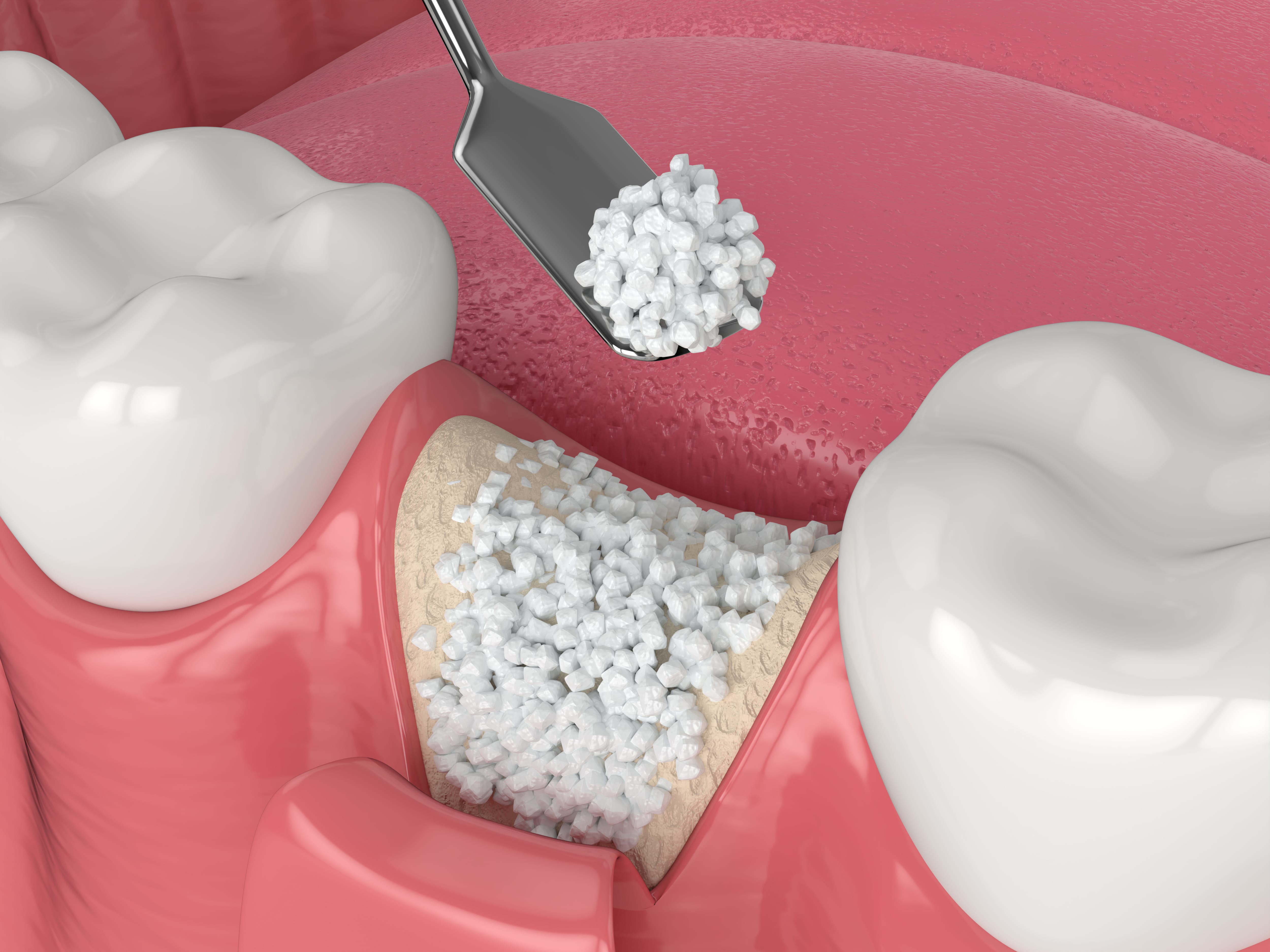
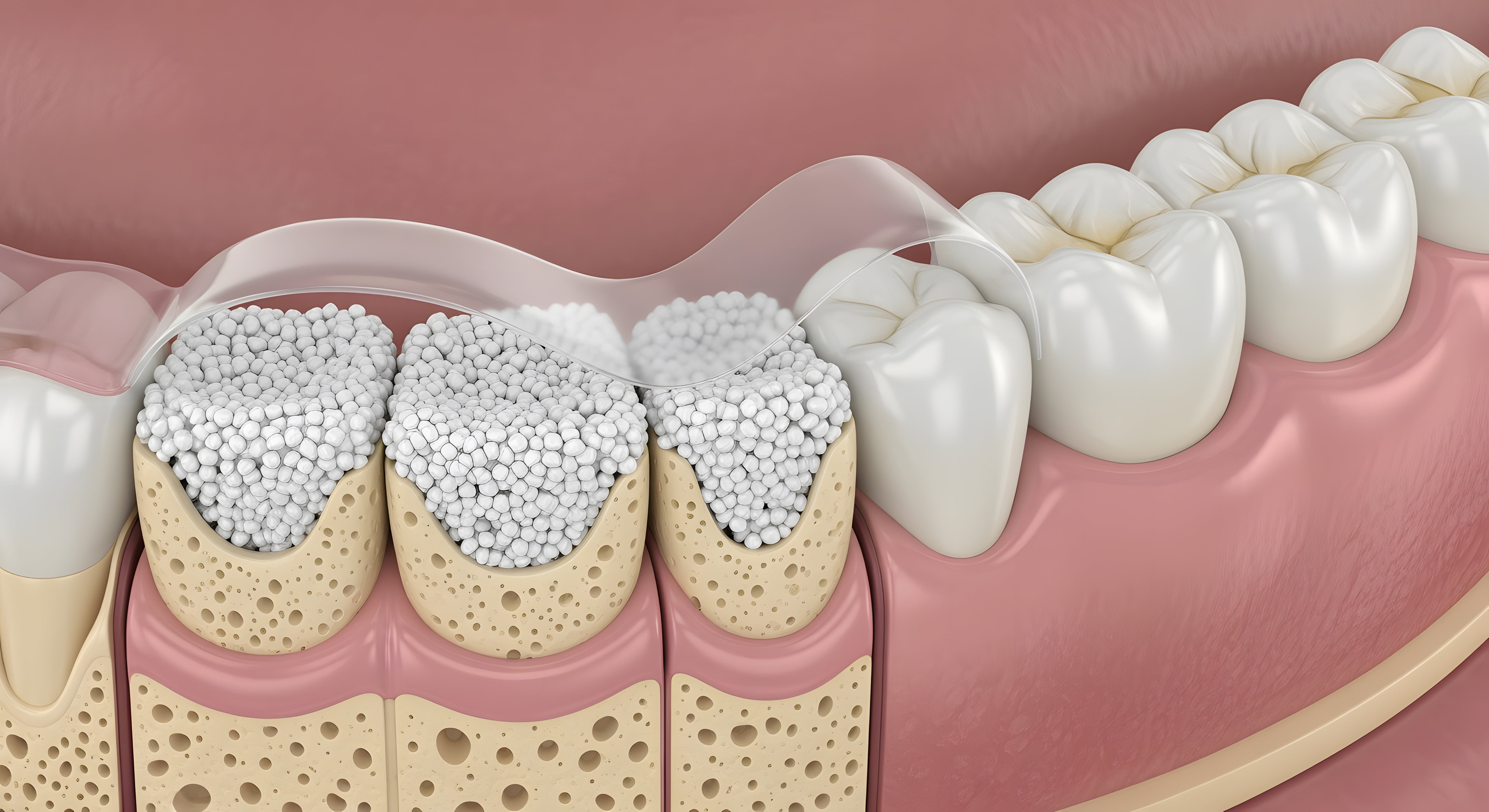
Bone grafting is a procedure that adds bone material to your jaw where it has weakened or shrunk. This can occur due to:
- Tooth loss
- Gum disease
- Denture wear
- Trauma or infection
We perform bone grafts to support dental implants, prevent further bone loss, and maintain the natural shape of your face and jaw.
Depending on your situation, we may place the graft:
- Right after a tooth extraction
- Months or years after tooth loss
- Alongside implant placement (in some cases)
We’ll walk you through exactly what you need — and just as importantly, what you don’t.
When Is Bone Grafting Needed?
We may recommend bone grafting if:
- You’ve been missing teeth for a while and want dental implants
- You had a recent extraction and want to preserve the bone
- A previous implant site needs additional support
- You’ve worn dentures for many years and experienced bone shrinkage
- You want to restore natural jaw shape before a full smile makeover
Every patient is different — and your treatment plan will reflect that. We provide clear guidance with no pressure, ever.
What the Bone Grafting Process Looks Like
The procedure is straightforward and performed with your comfort in mind:
- Consultation & Imaging
We use digital imaging to evaluate bone height, width, and density. - Graft Placement
Bone material (from your body or a safe, processed donor source) is placed where volume is needed. - Healing Period
Over 3–6 months, your body naturally fuses with the graft, building strong, healthy bone. - Implant Placement (if needed)
Once healed, we may proceed with single implants, implant-supported dentures, or other restorative solutions.
Your comfort and safety come first, and we coordinate with trusted local specialists when advanced surgical care is needed.
Helping Patients Across Fort Gibson & Surrounding Communities
Bone grafting is more common than most people think — and we’re proud to support patients from:
- Muskogee, OK – Bone restoration for future implants or denture support
- Norwood, OK – Preventative grafting after extractions
- Wybark & Mallard Bay, OK – Full-mouth rehabilitation with conservative care
Whether you’re starting your implant journey or replacing an old restoration, we’ll take the time to explain what’s happening every step of the way.
Why Choose Fort Gibson Family Dentistry?
- Personalized, honest treatment plans — no pressure, no upsells
- Conservative care designed to protect your long-term oral health
- Advanced digital imaging and coordination with surgical experts
- Experienced restorative planning by Dr. Hosnia Samadi
- Flexible financing and membership options
We believe in doing what’s best for each patient — and that sometimes means restoring before replacing.
Frequently Asked Questions
Lorem ipsum dolor sit amet, consectetur adipiscing elit. Suspendisse varius enim in eros elementum tristique. Duis cursus, mi quis viverra ornare, eros dolor interdum nulla, ut commodo diam libero vitae erat. Aenean faucibus nibh et justo cursus id rutrum lorem imperdiet. Nunc ut sem vitae risus tristique posuere.
Is bone grafting painful?
We use local anesthesia to ensure the area is fully numb. Most patients experience minimal discomfort during healing, which can be managed with over-the-counter pain relief.
How long does a bone graft take to heal?
Healing typically takes 3 to 6 months, depending on the size and location of the graft. We’ll monitor your healing with regular visits.
Is bone grafting necessary for all implants?
Not always. If your jawbone is healthy and strong, we may move forward with implants right away. We’ll let you know after your evaluation.
What type of bone is used?
We use safe, biocompatible materials — either donor bone, synthetic material, or your own bone (when appropriate).
Is bone grafting covered by insurance?
Many insurance plans cover bone grafting if it’s medically necessary. We’ll check your benefits and walk you through payment options if needed.
Build the Foundation for a Stronger Smile
Whether you're planning for implants or preserving your jaw after an extraction, bone grafting may be the first step toward restoring your smile with confidence.